Australian sheepskin is a material promise
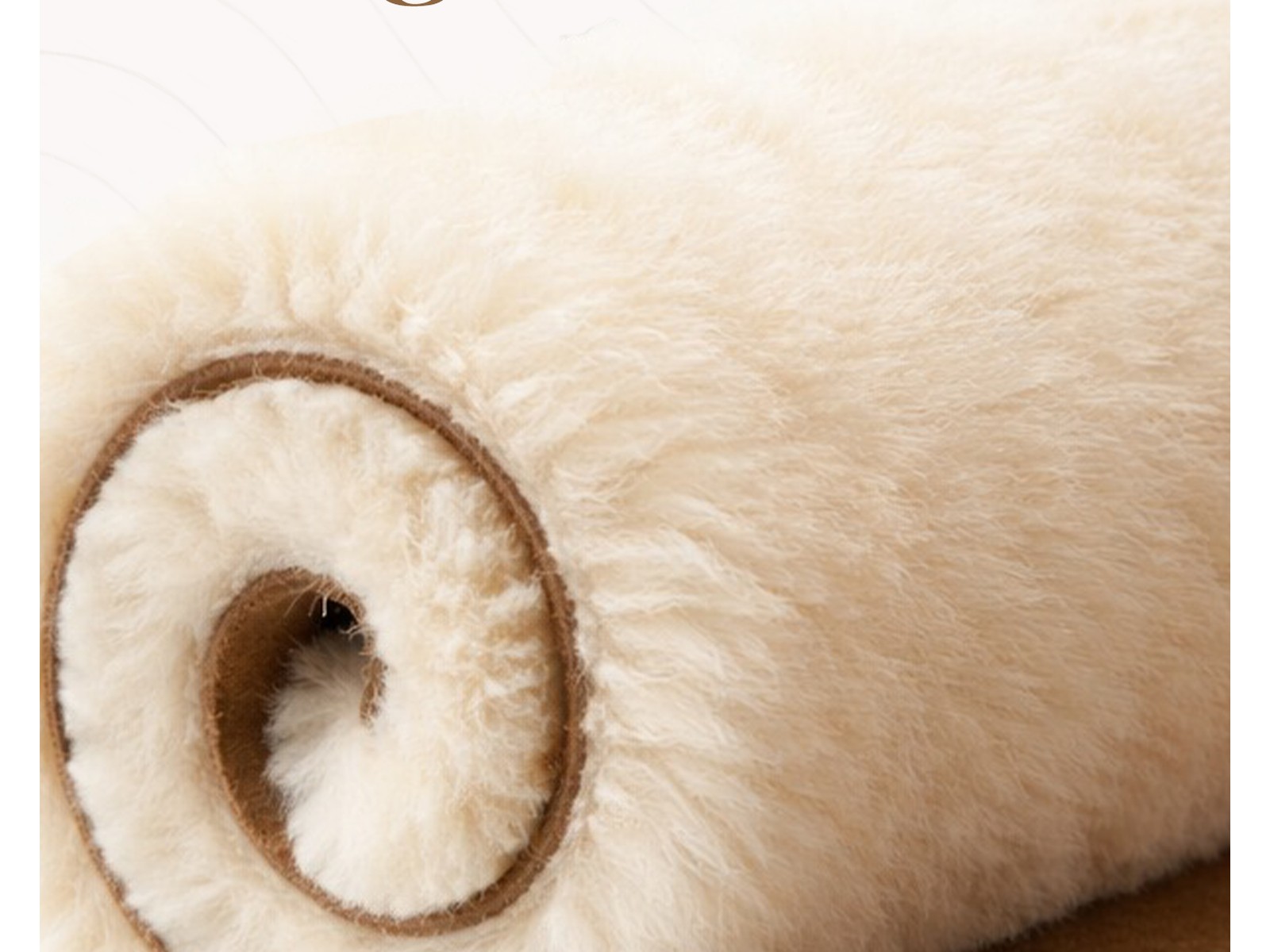
When a slipper uses Australian sheepskin, the value is not only the country name. The important part is the natural wool still attached to the hide, which gives the slipper warmth, texture, and a more substantial feel.
For customers comparing slippers online, that material promise should be clear before checkout. A product page should not make the customer guess whether she is buying real wool, synthetic plush, or a mix of materials.
Real wool feels different from synthetic plush
Synthetic plush can look soft in a photo, but real sheepskin has wool loft, natural variation, and a feel that changes gradually with use.
That is why genuine sheepskin may feel fuller at first. The wool has lift when it is new, then gently settles around the foot as the slipper is worn.
Material clarity reduces returns
Many slipper returns come from expectation gaps: the customer expected a different fit, a softer sole, a thicker lining, or a different material feel.
Clear sheepskin language helps the right customer buy with confidence. It also helps avoid customers who expected a cheap foam slipper or a perfectly uniform synthetic lining.
Not every WAYSOFT slipper uses material the same way
The Classic Sheepskin Slipper is the cleanest full sheepskin story in the slipper line. The Cable Knit Mule and Soft Knit Scuff use sheepskin where it matters most for the foot, with faux fur at the inner vamp to keep the style lighter and more affordable.
We disclose that difference clearly so you can decide whether full sheepskin or a lighter mixed-material style is the better value for you.
Care should feel simple
Australian sheepskin does not need a complicated story. Keep it away from heavy moisture, let it air dry naturally if damp, and brush wool lightly when it needs a lift.
When care expectations are simple, the material feels more premium and less fragile.